By Brian French | April 11, 2026
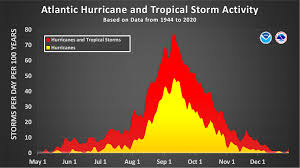
Florida businesses know the drill — or they should. Hurricane season runs from June 1 through November 30, and every year brings renewed risk for coastal and inland businesses alike. Whether you operate a small boutique in Boca Raton or a mid-sized manufacturing company in Tampa, a lack of preparation can mean the difference between a temporary setback and permanent closure. Here are 10 essential steps every Florida business should take before hurricane season hits.
1. Review and Update Your Business Insurance Policy
Don’t wait until a storm is in the Gulf to check your coverage. Review your commercial property insurance, flood insurance, and business interruption insurance well in advance. Many standard commercial policies don’t cover flood damage — which is one of the most common and costly outcomes of hurricanes. Make sure your policy limits reflect the current replacement cost of your equipment, inventory, and facilities.
2. Create or Update Your Business Continuity Plan
A Business Continuity Plan (BCP) outlines how your company will continue operating during and after a disaster. Your BCP should include communication protocols, employee roles during an emergency, backup operational locations, and steps to restore critical functions quickly. If you don’t have a BCP, hurricane season is the time to build one. If you have one, review it annually for relevance.
3. Back Up All Critical Data and Records
Losing business records, client data, financial files, and contracts to a storm can be devastating. Implement a cloud-based backup system that stores your data securely off-site. Make sure backups are automated and tested regularly. Critical documents — including insurance policies, contracts, and financial records — should also be stored in secure, waterproof locations or digitally in multiple cloud platforms.
4. Protect Your Physical Property
Walk through your business location and identify vulnerabilities. Install hurricane shutters or impact-resistant windows, secure outdoor signs and equipment, and reinforce doors and roof structures where possible. Make sure your roof drainage systems are clear and functional. Even minor pre-storm preparations can significantly reduce property damage when a storm arrives.
5. Establish an Employee Communication Plan
Your employees need to know what to do before, during, and after a hurricane. Establish a clear communication tree that includes phone, text, and email options. Designate a point of contact for updates and confirm that all employee contact information is current. Consider setting up a mass notification system or using a tool like Slack or WhatsApp groups specifically for emergency communications.
6. Know Your Evacuation Zones and Local Emergency Plans
Florida’s county-level emergency management offices publish evacuation zones updated regularly. Know which zone your business falls in and what triggers a mandatory evacuation order. Have a plan for employees who may need to evacuate — including flexible leave policies, remote work options, and guidance on where to find local shelters. Post evacuation routes visibly in your workplace.
7. Build an Emergency Supply Kit for Your Business
Stock your business with a basic emergency supply kit that includes first aid supplies, flashlights and batteries, portable phone chargers, a generator and fuel, bottled water, and basic tools. If you have employees who may need to shelter in place for short periods, additional supplies like food, blankets, and a battery-powered weather radio can be critical. Test your generator before the season starts to ensure it’s operational.
8. Secure Your Financial Accounts and Cash Flow
Hurricanes often disrupt banking operations and payment processing systems. Maintain access to emergency funds or a line of credit that can cover at least 30 to 60 days of operating expenses. Keep some petty cash on hand, as ATMs and card systems may be down for days after a major storm. Review your accounts receivable and accelerate collections before peak hurricane months if possible.
9. Coordinate With Your Vendors and Supply Chain
If a hurricane hits your region, it may also impact your suppliers, shipping partners, and service providers. Before the season, have conversations with your key vendors about their own disaster preparedness plans. Identify backup suppliers and create contingency agreements where possible. A disruption in your supply chain can delay recovery even after your own facility is operational.
10. Register With Local Emergency Management and Business Recovery Programs
Florida has several programs designed to help businesses before and after disasters. Register your business with your county’s Emergency Management office so you can receive early warnings and recovery assistance information. Explore the Florida Small Business Emergency Bridge Loan Program and U.S. Small Business Administration (SBA) disaster loan options before a storm hits, so you understand the process and eligibility requirements in advance.
Navigating the Storm: A Comprehensive Guide to Resilience
While preparing your internal checklist is the first step, true resilience involves understanding the broader infrastructure of recovery and protection.
- Strategic Communication: When a crisis hits, how you communicate with stakeholders determines your long-term reputation. Engaging experts like those at West Palm Beach PR and Crisis Management Firm BoardroomPR ensures that your business has a professional voice and a clear plan to manage public and internal messaging during and after a storm.
- Financial Safeguards: Finally, navigating the evolving landscape of protection is key to long-term survival. Florida’s Property Insurance Market Rebounds Amid New Insurers, Reforms, and Resilience Programs offers insights into the shifting insurance market, helping business owners understand new opportunities for coverage and the legislative reforms designed to stabilize the industry.
Don’t Wait — Prepare Now
Hurricane preparedness isn’t a one-time task — it’s an ongoing commitment. The best time to prepare is now, well before the first tropical storm watches are posted. Businesses that invest time and resources in preparedness recover faster, protect their employees, and reduce long-term losses. South Florida business owners have seen firsthand what an unprepared season can cost. Make this the year your business is truly ready.
For more business resources and South Florida news, stay connected with South FL Business News.
About the Author